Scleral Contact Lenses: Are They For You?
Scleral Contact Lenses: Advanced Vision Correction and Dry Eye Relief
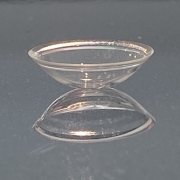
Scleral contact lenses are large-diameter, gas permeable lenses that rest gently on the white part of the eye, known as the sclera. Unlike traditional soft contact lenses, which sit directly on the cornea (the clear, dome-shaped front surface of the eye), scleral lenses vault completely over the cornea without touching it.
This unique design creates a smooth, stable optical surface that can dramatically improve vision for patients whose corneas are irregular or damaged. By effectively masking corneal imperfections, scleral lenses often provide clearer, sharper vision than glasses or conventional contact lenses.
Who Can Benefit from Scleral Lenses?
Scleral lenses are commonly prescribed for patients with:
- Keratoconus
- Pellucid marginal degeneration
- Corneal scarring
- Post-surgical corneal irregularities (including LASIK complications)
- Corneal transplants
- Severe dry eye disease
- Ocular surface disorders
- Patients who are unable to achieve good vision or comfort with traditional contact lenses
How Do Scleral Lenses Work?
The lens vaults over the cornea and creates a fluid-filled chamber between the back surface of the lens and the front surface of the eye. Before insertion, the lens is filled with sterile saline solution, creating a liquid reservoir that remains in place throughout the day.
This reservoir serves two important purposes:
1. Exceptional Vision Correction
The liquid layer neutralizes many corneal irregularities, allowing light to focus more accurately on the retina. For many patients, this results in significantly improved visual clarity and quality.
2. Continuous Corneal Hydration
The fluid reservoir bathes the cornea in moisture all day long, helping to relieve symptoms of dry eye, irritation, burning, and light sensitivity. Patients with severe dry eye disease often experience substantial comfort improvements with scleral lenses.
Think of a Scleral Lens as a Prosthetic Cornea
A simple way to understand scleral lenses is to think of them as a prosthetic cornea. Rather than relying on an irregular or damaged corneal surface to focus light, the scleral lens creates a new, perfectly shaped optical surface in front of the eye.
For many patients, the results can be life-changing. Activities such as reading, driving, working on a computer, and enjoying outdoor activities often become easier and more comfortable. Patients who have struggled with poor vision for years are frequently amazed by the clarity they achieve with properly fitted scleral lenses.
Custom Designed for Your Eyes
Every scleral lens is custom-designed based on detailed measurements of your eyes. At Bender Eye, we use advanced diagnostic technology to map the shape of your cornea and sclera, allowing us to create a lens that provides optimal vision, comfort, and eye health.
Because every eye is unique, scleral lens fitting is a specialized process that requires expertise, precision, and careful follow-up to ensure the best possible outcome.
What Do Scleral Lenses Look Like?
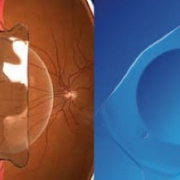
The images below demonstrate the size and shape of scleral lenses and how they vault over the cornea while resting comfortably on the sclera. You’ll also see how the fluid reservoir forms beneath the lens, creating both exceptional vision correction and lasting comfort throughout the day.
For many patients with keratoconus, corneal disease, or severe dry eye, scleral lenses provide something they thought was no longer possible: clear, comfortable vision all day long.
Scleral contact lenses are custom-made for patients and can provide better comfort and vision for those who have severe forms of:
• Keratoconus
• Ocular surface diseases (Sjogren’s, Steven’s Johnson Syndrome)
• Irregular astigmatism
• Highly irregular corneal transplants
• Post-refractive surgery complications (LASIK, PRK)
• Dry eye
Previously, scleral lenses have been reserved for only complex corneal and contact lens cases but are now gaining popularity and are being used for normal patients. Its distinct design provides increased comfort and stability on the eye leading to consistent vision, reduced glare and reduced dryness. Patients that have experienced poor comfort or vision with regular contacts may be good candidates for scleral lenses.
Sources: